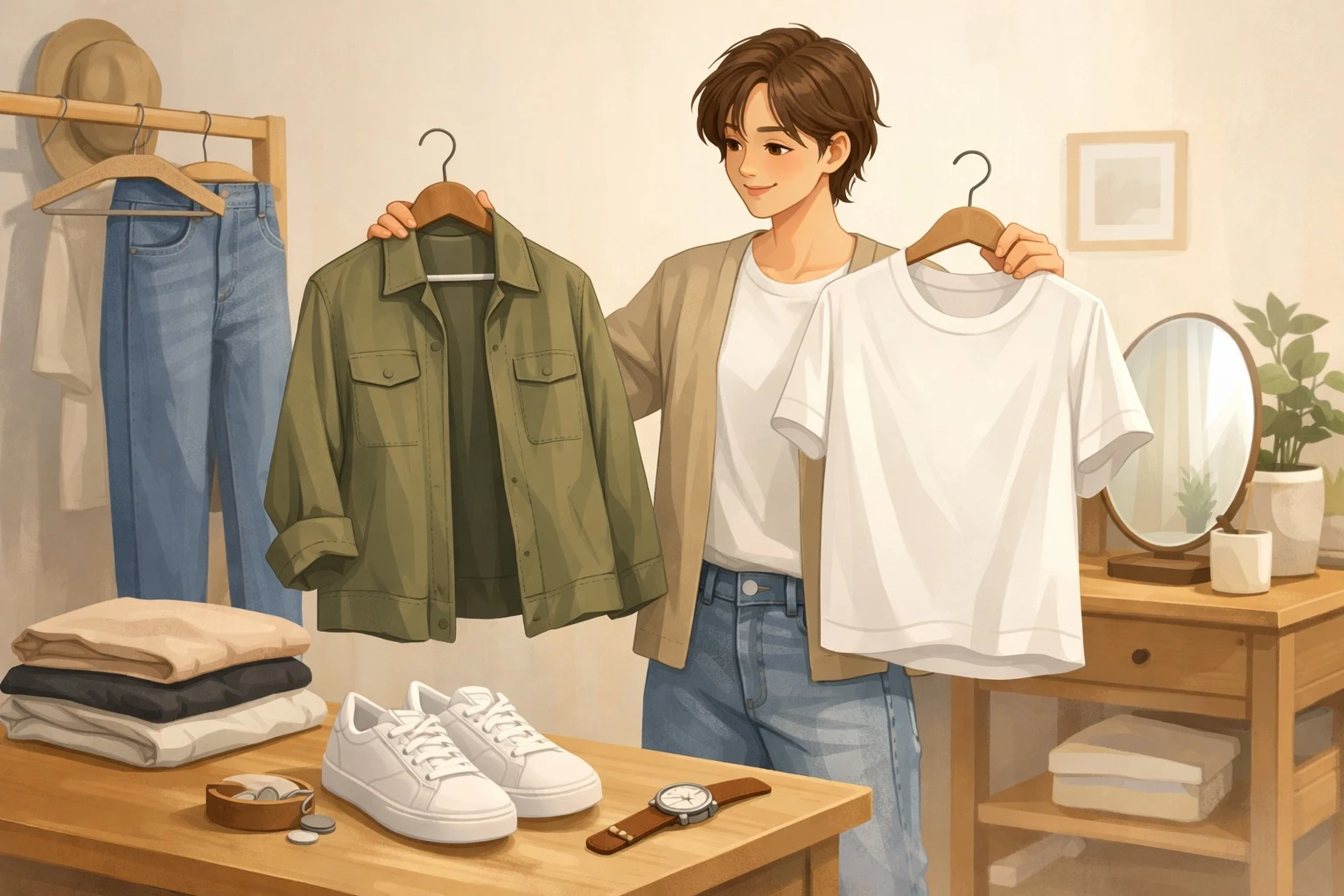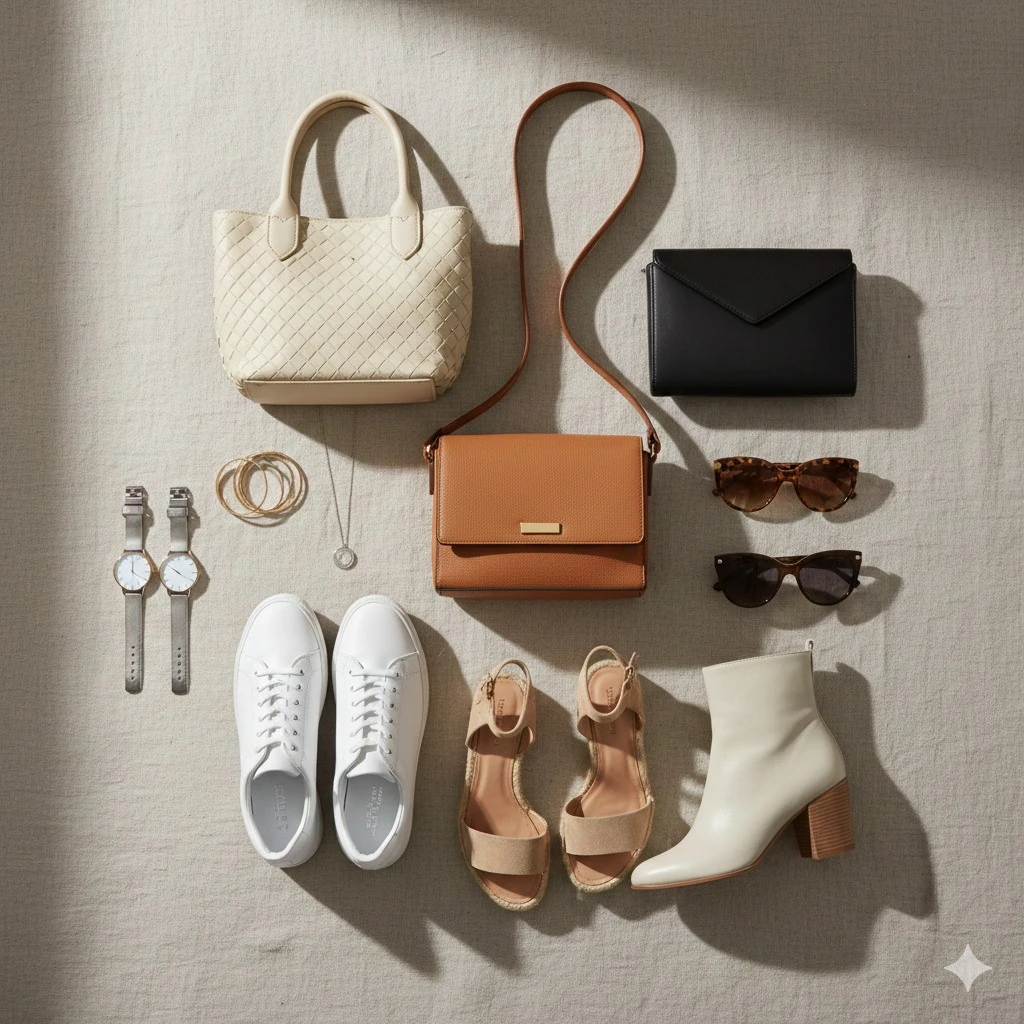

Investing in quality fashion pieces is just the beginning. The real value comes from knowing how to care for your wardrobe properly so those favorite items stay looking fresh for years to come. Whether you've splurged on designer heels, found the perfect everyday sneakers, or own that handbag you reach for constantly, proper maintenance is the key to maximizing your investment and minimizing waste.
Proper clothing care begins the moment you bring a new piece home. Understanding fabric types, washing techniques, and storage methods will dramatically extend the lifespan of everything in your closet.
Before you do anything else, always check the care label. These symbols aren't just suggestions—they're instructions from the manufacturer based on the fabric composition and construction. Here's what you need to know:
Temperature indicators show the maximum heat safe for that garment, whether washing or ironing. Washing symbols tell you whether to machine wash, hand wash, or dry clean only. Bleaching symbols indicate if and how you can use bleach products. Drying instructions specify if tumble drying is safe or if air drying is required. Ironing guidance shows the appropriate temperature setting for pressing.
Ignoring these labels is the fastest way to ruin your clothes, so make it a habit to check before every wash.
Sort strategically beyond just colors. Separate by fabric weight and texture too. Heavy denim can damage delicate fabrics in the wash, and items with zippers or embellishments should be washed separately or in mesh bags to prevent snagging.
Turn garments inside out. This simple step protects the outer surface from friction, fading, and pilling. It's especially important for dark-colored items, printed t-shirts, and anything with embroidery or embellishments.
Use cold water whenever possible. Hot water breaks down fibers faster and causes colors to fade. Cold water is gentler on fabrics and just as effective for most cleaning needs, plus it saves energy.
Choose the right detergent. Skip harsh detergents with optical brighteners and heavy fragrances. Opt for gentle, pH-neutral formulas, and use less than you think you need. Too much detergent leaves residue that attracts dirt and makes clothes feel stiff.
Reduce spin speed for delicates. High-speed spinning can stretch and distort fabrics. For knitwear, silk, and other delicate items, use a gentle cycle with lower spin speeds.
The dryer is one of the biggest culprits behind premature clothing wear. Heat causes shrinkage, weakens elastic, and breaks down fibers over time.
Air dry whenever possible. Lay flat or hang items to dry naturally. This is particularly important for knitwear, which can stretch out of shape when hung wet. Use a drying rack or lay sweaters on clean towels.
If you must use a dryer, choose low heat and remove items while they're still slightly damp. The final drying can happen on hangers, preventing that over-dried, shrunken effect.
Never over-dry clothes. That crispy, super-dry feeling means you've removed too much moisture and potentially damaged the fibers. Slightly damp is ideal for longevity.
Cotton and linen are relatively low-maintenance but prone to shrinkage in hot water. Wash in cold, remove promptly to prevent wrinkles, and iron while slightly damp for best results.
Wool and cashmere require gentle handling. Hand wash in cool water with wool-specific detergent, or use a delicate machine cycle. Never wring or twist—squeeze gently and lay flat to dry. Store with cedar blocks or lavender sachets to deter moths.
Silk is delicate and often requires hand washing or professional cleaning. Use cold water and silk-specific detergent. Never expose to direct sunlight when drying, as this causes fading and weakens fibers.
Denim should be washed infrequently to maintain color and shape. Turn inside out, wash in cold water, and air dry. Some denim enthusiasts recommend freezing jeans instead of washing them frequently to kill bacteria while preserving the fabric.
Synthetic fabrics like polyester and nylon are durable but can hold odors. Wash in cool water and avoid high heat, which can cause permanent wrinkles or melting. Add white vinegar to the rinse cycle to eliminate stubborn smells.
Leather and suede garments should never be machine washed. Use specialized leather cleaners and conditioners, or take them to professional cleaners experienced with these materials.
Act fast when spills happen. The longer a stain sits, the harder it becomes to remove.
For oil-based stains like makeup or grease, apply dish soap or a degreasing agent directly to the stain before washing. Let it sit for 10-15 minutes, then wash as usual.
For protein-based stains like blood or sweat, use cold water only. Hot water sets protein stains permanently. Soak in cold water with enzyme-based detergent before washing.
For wine, coffee, or tea, blot immediately with a clean cloth. Rinse with cold water from the back of the fabric, pushing the stain out rather than deeper into the fibers. Apply a stain remover and wash promptly.
For ink stains, dab with rubbing alcohol using a cotton ball. Work from the outside of the stain toward the center to prevent spreading.
Always test stain removers on an inconspicuous area first to ensure they won't damage or discolor the fabric.
Handbags take a beating in daily life, but with proper care, they can remain stunning for decades. Different materials require different approaches.
Leather is durable yet needs regular attention to prevent drying, cracking, and staining.
Clean regularly with appropriate products. Use a soft, slightly damp cloth to wipe away surface dirt weekly. For deeper cleaning, use a leather-specific cleaner every few months. Never use all-purpose cleaners, which can strip natural oils.
Condition every 3-6 months. Leather conditioner replenishes natural oils, keeping the material supple and preventing cracks. Apply a small amount with a soft cloth, working in circular motions. Let it absorb for several hours or overnight.
Protect from water damage. If your leather bag gets wet, blot immediately with a soft cloth and stuff with newspaper to maintain shape. Let it air dry naturally, away from direct heat or sunlight. Once dry, condition the leather.
Address scratches properly. Minor scratches often disappear with conditioning. For deeper scratches, specialized leather repair kits can help, or consult a professional leather repair service.
Avoid overloading. Excessive weight stretches leather and strains seams. Clean out your bag regularly and carry only what you need to maintain its structure.
Canvas and fabric bags are more forgiving than leather but still need proper care.
Spot clean when possible. Mix mild soap with water and use a soft brush to gently scrub stained areas. Rinse with a damp cloth and air dry.
For deeper cleaning, some canvas bags can be machine washed on gentle cycle, but always check care instructions first. Remove any detachable straps or hardware, turn inside out, and wash in cold water. Air dry only.
Protect against moisture. Use a fabric protector spray to create a water-resistant barrier. Reapply seasonally or after cleaning.
These delicate materials require specialized attention.
Use a suede brush regularly to maintain the nap and remove surface dirt. Brush in one direction gently.
For stains, use a suede eraser or white vinyl eraser. Rub gently without applying too much pressure.
Protect with suede protector spray before first use and reapply seasonally. This creates a protective barrier against stains and water.
Avoid water at all costs. If your suede bag gets wet, blot immediately and stuff with paper to maintain shape. Let it air dry completely, then brush to restore the nap.
Empty completely after each use. Pens, makeup, and other items can leak or damage the lining. Regular emptying prevents buildup and allows you to inspect for issues.
Store properly when not in use. Stuff bags with tissue paper or bubble wrap to maintain shape. Store in dust bags in a cool, dry place away from direct sunlight.
Rotate your bags. Using the same bag daily accelerates wear. Rotating between several bags extends the life of each one.
Keep bags off the floor. Floors are dirty and can transfer grime to your bag's bottom. Use purse hooks or designate a clean shelf for daily storage.
Address hardware issues promptly. Tarnished metal can be cleaned with appropriate metal polish. Loose zippers or broken clasps should be repaired before they worsen.
Shoes endure more wear than any other wardrobe item, making proper care essential for longevity. Different types of footwear require tailored approaches.
Modern sneakers come in various materials, from leather and canvas to mesh and synthetic fabrics. Each requires specific care.
Clean after every few wears. Remove surface dirt with a soft brush or cloth. For white sneakers, a mixture of baking soda and water creates an effective cleaning paste.
Remove laces and insoles before cleaning. Wash laces separately in a mesh bag. Clean insoles with soap and water, then air dry completely before reinserting.
For canvas sneakers, use a soft brush with mild soap and water. Scrub gently in circular motions, rinse with a damp cloth, and air dry away from direct heat.
For leather sneakers, wipe with a damp cloth and use leather cleaner for stubborn marks. Condition periodically to prevent cracking.
Avoid the washing machine. While tempting, machine washing can damage sneaker construction, separate glued components, and ruin shape. Hand cleaning is always safer.
Dry properly. Stuff with newspaper to absorb moisture and maintain shape. Never use direct heat sources like radiators or dryers, which can warp materials and melt adhesives.
Use sneaker protector spray to create a barrier against stains and water. Apply before first wear and reapply monthly for active-use sneakers.
Quality leather footwear is an investment that, with proper care, can last decades.
Clean regularly. Remove dirt with a soft brush or damp cloth after each wear. For deeper cleaning, use leather cleaner appropriate for the specific leather type.
Polish for protection and shine. Quality shoe polish nourishes leather and creates a protective layer. Match the polish color to your shoes, apply in small circular motions, let dry, then buff with a horsehair brush.
Condition seasonally. Leather conditioner prevents drying and cracking, especially important in harsh weather conditions. Apply thin coats and let absorb fully.
Waterproof before wearing. Apply waterproofing spray or wax before first wear and reapply regularly, especially during wet seasons.
Use shoe trees. Cedar shoe trees absorb moisture, maintain shape, and prevent creasing. Insert them immediately after wearing while shoes are still warm and pliable.
Rotate your shoes. Never wear the same pair two days in a row. Shoes need at least 24 hours to dry completely and return to their original shape.
Address salt stains immediately. Winter salt damages leather. Mix equal parts water and white vinegar, wipe gently, then condition once dry.
Heels and formal footwear require extra attention due to their delicate construction and materials.
Check heel tips regularly. Worn heel tips damage posture and the heel itself. Replace them promptly at a shoe repair shop.
Protect soles before first wear. Take new heels to a cobbler to add sole protectors. This prevents slipping and extends sole life significantly.
Clean according to material. Patent leather needs special patent leather cleaner. Satin and fabric heels should be spot-cleaned only with appropriate products.
Store upright in boxes or on shelves. Never pile heels on top of each other. Use original boxes with tissue paper, or clear shoe boxes for easy identification.
Address scuffs on patent leather with petroleum jelly or patent leather polish. Buff gently with a soft cloth.
These materials require specialized care to maintain their distinctive texture.
Invest in a suede care kit including a brush, eraser, and protective spray. These tools are essential for proper maintenance.
Brush regularly in one direction to remove surface dirt and maintain the nap. Do this after every wear.
Use a suede eraser for scuffs and stains. Rub gently in one direction until the mark lifts.
Apply suede protector before first wear and reapply every few weeks for regular-use shoes.
Never use water for cleaning. If suede gets wet, stuff with newspaper and air dry away from heat. Once dry, brush to restore texture.
For serious stains, take to a professional cleaner who specializes in suede and nubuck.
Air out after each wear. Remove shoes from your closet or shoe rack for a few hours to allow complete drying and air circulation.
Use appropriate products for materials. Never use leather products on canvas, or vice versa. Each material has specific care requirements.
Protect against weather. Apply weatherproofing treatments before seasonal changes, especially before winter and rainy seasons.
Store seasonally. Clean shoes thoroughly before storing for the season. Use shoe bags or boxes, stuff with paper, and store in a cool, dry place.
Know when to repair. Professional cobblers can replace soles, fix stitching, replace zippers, and address many issues. Timely repairs prevent small problems from becoming unfixable.
Proper storage is half the battle in clothing maintenance and fashion care. How you store items when not in use directly impacts their longevity.
Use quality hangers. Invest in wooden or padded hangers that support garment weight properly. Wire hangers create shoulder bumps and don't provide adequate support.
Hang vs. fold strategically. Hang structured items like blazers, dresses, and button-down shirts. Fold knits, t-shirts, and anything heavy that will stretch on a hanger.
Give items space to breathe. Overcrowded closets cause wrinkling, prevent air circulation, and make it harder to find what you need. If items are tightly packed, consider seasonal rotation.
Use garment bags for special pieces. Protect formal wear, leather, and special occasion items with breathable fabric garment bags. Avoid plastic dry cleaning bags, which trap moisture.
Store seasonal items properly. Clean thoroughly before storing. Use clear plastic bins for easy identification, and add cedar blocks or lavender sachets for natural moth protection.
Maintain shape with stuffing. Fill bags with tissue paper, bubble wrap, or purpose-made bag shapers to prevent collapsing and creasing.
Use dust bags always. Every bag should be stored in its dust bag or a breathable fabric bag. This protects against dust, light exposure, and scratches.
Store upright when possible. Standing bags upright rather than stacking prevents distortion and maintains structure.
Avoid damp environments. Humidity promotes mold and mildew growth, especially on leather. Store in cool, dry areas with good air circulation.
Keep straps and chains secure. Tuck chains inside bags or wrap them carefully to prevent tangling and scratching.
Use shoe trees for leather shoes. Cedar shoe trees are worth the investment for any leather footwear you want to last.
Store in original boxes or clear containers. Protection from dust and light exposure preserves materials. Clear boxes let you see contents without opening.
Avoid plastic bags. Plastic traps moisture and prevents breathing, promoting mold growth and material deterioration.
Organize by type and season. Keep current-season shoes accessible and rotate seasonally. Store off-season footwear clean and protected.
Maintain boot shape. Use boot shapers or stuff tall boots with rolled magazines to prevent slouching and creasing.
Different seasons present unique challenges for wardrobe maintenance. Adapting your care routine to weather conditions protects your investments year-round.
Increase washing frequency. Heat and humidity mean more sweat and faster odor development. Wash items more frequently but continue using cold water and gentle methods.
Protect from sun damage. UV rays fade colors and weaken fibers. Dry clothes in shaded areas and store items away from direct sunlight.
Address sweat stains promptly. Pre-treat underarm and collar areas with enzyme cleaners before washing to prevent yellowing.
Rotate sandals and summer shoes daily. Feet sweat more in warm weather, so shoes need extra time to dry between wears.
Clean and store winter items properly. Before storing heavy coats, boots, and cold-weather accessories, clean thoroughly and store with moth protection.
Waterproof everything. Before wet weather arrives, treat leather shoes, suede items, and outerwear with appropriate waterproofing products.
Address salt stains immediately. Road salt damages leather and creates white stains. Clean with vinegar solution and condition afterward.
Dry wet items properly. Never use direct heat on wet coats, boots, or bags. Stuff with newspaper and air dry in well-ventilated areas.
Layer clothing protection. In harsh weather, consider wearing protective layers over nice clothes until you reach your destination.
Increase leather conditioning frequency. Cold, dry air strips natural oils from leather. Condition bags, shoes, and leather garments more frequently in winter.
Avoiding these frequent errors will significantly extend the life of your fashion items.
Over-washing is a major problem. Not every item needs washing after one wear. Jeans, jackets, and many everyday pieces can be worn multiple times before washing, which actually preserves them longer.
Using too much detergent leaves residue that attracts dirt and makes fabrics feel stiff. Follow recommended amounts or use even less.
Ignoring care labels is the fastest way to ruin clothes. That "dry clean only" label isn't a suggestion—it's based on the garment's construction and materials.
Leaving clothes in the washer promotes mildew growth and creates permanent wrinkles. Transfer to the dryer or hang to dry immediately after the cycle ends.
Storing clothes dirty allows stains to set permanently and attracts moths and other pests. Always clean items before storing, even if they look clean.
Overloading daily stretches leather, stresses seams, and distorts shape. Regularly declutter and carry only essentials.
Ignoring small repairs allows minor issues to become major problems. Fix loose stitching or hardware immediately.
Exposing to extreme temperatures damages materials. Don't leave bags in hot cars or expose to freezing temperatures.
Using improper cleaning products can stain or damage materials permanently. Always use products designed for the specific material.
Wearing shoes when wet damages the interior and promotes odor. Let shoes dry completely before wearing again.
Neglecting regular cleaning allows dirt to become embedded and harder to remove. Quick cleaning after each wear is easier than deep cleaning later.
Walking on worn-down heels or soles damages the shoe structure and your posture. Replace tips and soles promptly.
Storing without cleaning leaves dirt and oils that break down materials over time. Clean thoroughly before storing seasonally.
Using the wrong products can cause discoloration or damage. Match products to materials precisely.
Consistency is key to making clothes last longer. Develop a simple routine that becomes second nature.
Daily: After each wear, air out clothes before returning to the closet, brush off surface dirt from shoes and bags, spot clean any new stains immediately, and check for needed repairs.
Weekly: Once a week, organize your closet and remove items that need washing or cleaning, deep clean one or two pairs of frequently worn shoes, and empty and wipe down the interior of daily-use bags.
Monthly: Each month, rotate seasonal items forward or backward, condition leather shoes and bags, reorganize drawers and shelves, and assess what needs professional cleaning or repair.
Seasonally: Four times per year, do a complete wardrobe assessment, clean and store off-season items properly, refresh weatherproofing on shoes and outerwear, deep clean sneakers and casual shoes, and take delicate or premium items to professional cleaners.
Investing time in fashion care pays dividends far beyond saving money on replacements. Well-maintained clothing looks better, feels better, and presents you more professionally. Quality pieces that last for years become trusted favorites that define your personal style.
Moreover, extending the life of your wardrobe is an environmental choice. The fashion industry has significant environmental impact, and making your clothes, bags, and shoes last longer reduces waste and lessens demand for new production.
Proper maintenance also helps you appreciate what you own. When you invest care and attention into your wardrobe, you develop a more mindful relationship with fashion. You buy less impulsively and choose more thoughtfully, focusing on quality pieces that deserve—and receive—proper care.
Start with small changes. Choose one area to improve this week, whether that's finally buying proper shoe trees, switching to cold-water washing, or reorganizing your closet for better garment care. As these habits become routine, you'll notice the difference in how long your favorite pieces continue looking their best.
Your wardrobe is an investment in yourself. Treat it with the care it deserves, and it will serve you beautifully for years to come.



You need to Sign in to view this feature

This address will be removed from this list
 english